
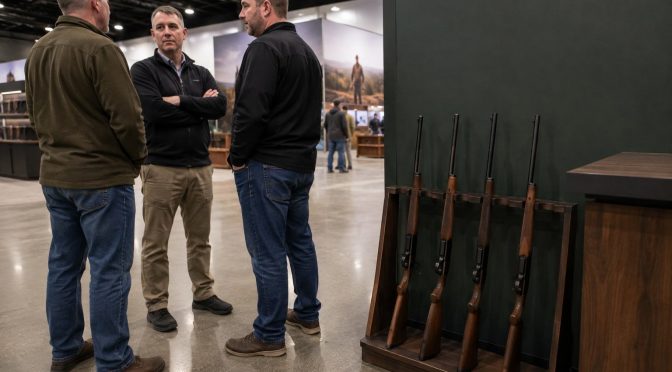
A first visit is not mainly, about finding the deal before someone. A better goal is to leave knowing what a first visit inspected what a first visit spent and whether each transaction followed the law. Preparation also helps a first visit recognize equipment problems ask questions and walk away when a purchase does not hold up under scrutiny.
Set a purpose before you enter
Crowded aisles encourage decisions. Decide what a first visit is looking for before the event: a type of firearm, replacement parts, storage equipment, optics, clothing or simply a chance to compare options. A first visit does not need a list. A few priorities can keep an interesting display from becoming an unplanned expense.
Bring identification and any documentation required for a purchase in your jurisdiction. Requirements can vary by state, locality, item and seller. They can change. Check guidance before attending rather than relying on an old social‑media post or a friend's recollection. If a first visit is unsure whether a transaction is permitted, pause and seek regulatory advice.
Wear clothing. Carry only what a first visit needs. A small notebook or phone note can help a visit record model names, numbers where appropriate seller information and questions to research later. A first visit should not photograph people, private paperwork or restricted displays without permission.
Treat venue rules as part of the safety equipment
The organizer and venue set the conditions for the day. Rules may cover how firearms must be unloaded and secured whether magazines may remain with a firearm, where inspections occur, photography, bags, children, food, parking and payment. Read the event and venue instructions before leaving home. If rules conflict a first visit should ask event staff for clarification at the entrance.
A firearm a first visit brings for trade, sale or inspection should be handled exactly as the venue requires. Common procedures include keeping it unloaded opening the action and securing it with a device that prevents firing. The organizer's rule and local law control. A first visit should never assume a firearm is safe because a first visit hears it is unloaded. A first visit should not handle a display item without the seller's permission. A first visit should keep the muzzle pointed in a direction while staff or the seller supervises the inspection.
A first visit should use the caution with accessories. A leaked battery, torn sling stitching or damaged case latch may not be an emergency. Each is a reason a first visit should slow down and ask questions before paying.
Inspect condition, not appearance
lighting and a clean display can conceal problems that a deliberate inspection reveals. A first visit should look for rust, pitting, cracks, deep tool marks, damaged screws, loose sights, worn controls or a finish that appears uneven in one area. On optics a first visit should check for cloudiness, internal debris, damaged adjustment caps and a reticle that does not appear stable when the seller gently repositions the optic. A first visit should not force controls. Attempt repairs at the table.
A first visit should ask whether the item is new, used, modified, consigned or previously repaired. For a firearm a first visit should ask what the seller knows about its history and which accessories are included. A first visit should make sure the model and identifying markings match the seller's description and paperwork. A missing manual is minor; unclear identity, altered markings, unexplained damage or pressure to skip questions should not be ignored.
If a first visit cannot inspect an item safely or adequately at the venue a first visit should postpone the purchase. A seller who will not permit a inspection is giving a first visit useful information. For higher‑value equipment a first visit should arrange an inspection by a professional before completing the transaction.
Keep every transaction. Documented
A display table does not change the legal requirements for buying, selling or transferring a firearm. Dealer transactions, private transfers, interstate activity, waiting periods, permits, background checks, prohibited‑person rules and record‑keeping may involve requirements depending on the circumstances. Laws and regulations change so a first visit should confirm guidance and ask the licensed dealer or event staff how the transaction will be processed.
A first visit should not agree to a workaround intended to avoid a background check, paperwork, identification requirement or jurisdictional rule. A first visit should not accept assurances that an arrangement's probably fine." If a seller suggests shipping or transporting an item in a way that seems inconsistent with law a first visit should. Seek qualified guidance.
Before handing over money a first visit should confirm the terms: what is included, whether tax or a transfer fee applies, the accepted payment method and what happens if the item does not match the description. A first visit should keep receipts and other transaction records. If a first visit is buying ammunition or regulated accessories a first visit should check those requirements separately of assuming they match the rules for the item.
Set a budget that leaves room to walk away
A first visit should budget for more than the sticker price. A first visit should include admission, travel, parking, taxes, transfer or background‑check fees where storage and immediate safety equipment. A first visit should set a maximum before entering and distinguish costs from ones.
A first visit should use this decision test: Is the item in the condition described? Can a first visit verify that it is legal for a visit to acquire? Does the complete cost fit a visit's limit? Would a first visit still want it after comparing the model and condition with options? If any answer is no a first visit should leave it on the table.
Before paying:
– Confirm the item, condition included accessories and total cost.
– Complete the required process through the channel.
– Keep receipts and seller or dealer details.
– Verify safe transport and storage arrangements before leaving.
– Walk away, from missing information, damaged equipment or pressure to rush.
A successful first visit is not measured by how much a first visit carries out. It is measured by making choices following rules and recognizing when patience is the safer purchase.